
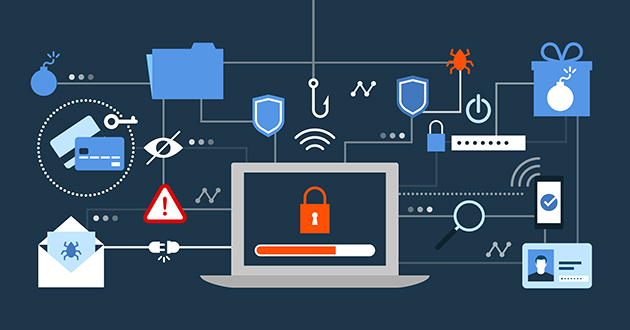
Here’s a short list of ten little-known strategies, which you can start adopting at anytime in order to keep your information a little more secure in the virtual sphere:
- Passphrases: Swap from passwords to passphrases (e.g. ‘I ❤ League Games+Rule Robocraft’)
- Recording: Unplug and/or cover your recording devices (e.g. cameras), when they’re not in use
- Updates: Schedule time to go through essential operating system updates at least once a month
- Communications: Never open e-mails, attachments or links that are unfamiliar to you
- Connections: Avoid opting in for the ‘auto-connect’ option for wireless networks, when asked
- Purchasing: For e-Commerce transactions, use apps or web sites that include https:// in the URL
- Files: Encrypt and copy key files onto removable discs or external hard drives for added security
- Publishing: Think of the Internet as a publisher for things permanently public, not temporarily private
- Downloads: Read before agreeing to anything, particularly if it involves a download
- Socializing: Be thoughtful about what you share in social networks (Facebook, LinkedIn, Reddit, etc.). These are potential gold mines for identity thieves
You can also make note of the resources that are available to help victims immediately following any missteps such as, IdentityTheft.gov, a site designed to serve victims of the all too common problem of identity theft. But the most important thing to remember is that in the world wide web, information is the most valuable form of currency, so take proactive steps to protect your treasure.

 DevScript Saga
Leave a comment