
Welcome to the world of blockchain, the latest technological revolution of the era. When internet came into existence, people made fun of those who were working to connect computers via the internet. And now all those people are the slaves of the Internet. The same thing is about “Blockchain” .It is the future of IT industry. The crucial difference between Internet and BlockChain is that the Internet enables the exchange of data, blockchain could enable the exchange of value, i.e., it could allow users to carry out trade and commerce across the globe without the need for payment processors, curator, and settlement and adjusting entities. Trust is a very crucial thing, and blockchain is one of the biggest technologies that peer.
You’ve probably heard the blockchain is a technology that is going to change the world — it is the backbone of Bitcoin, the now infamous cryptocurrency. You might even have heard someone trying to explain blockchain by describing it as a “trusted distributed ledger.” Stick with me for a moment and I promise you’ll understand it very soon.
New models of computing have tended to emerge every 10 to 15 years: mainframes in the ’60s, PCs in the late ’70s, the internet in the early ’90s, and smartphones in the late 2000s. And now blockchain.
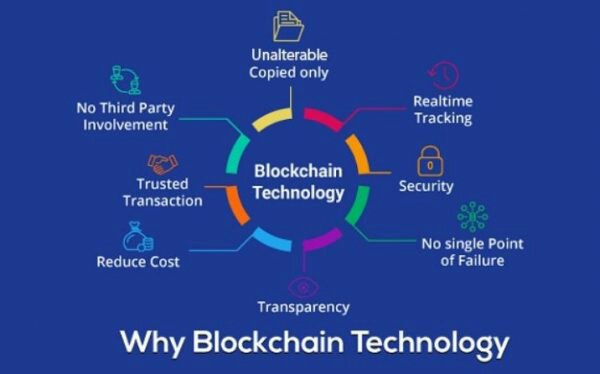
The easiest and most basic way to think about the underlying technology is to think about a technology that keeps a master list of everyone who has ever interacted with it. It’s a bit of an oversimplification, but if you’ve ever used Google Docs and allowed others to share the document so they can make changes, the programs keep a list of all the changes that are made to the document and by whom. Blockchain does that but in an even more secure way so that every person who ever touches the document is trusted and everyone gets a copy of all the changes made so there is never a question about what happened along the way. There aren’t multiple copies of a document and different versions — there is only one trusted document and you can keep track of everything that’s ever happened to it.
The blockchain is being used to create all sorts of cryptocurrencies, led by Bitcoin and Ethereum. But more important, it is touching all different industries.
The advertising industry plans to use it to track ads on the internet; the music industry is planning to use it to track songs; banks and mortgage companies want to use it to track the deeds of homes and the complex process of tracking all the documentation; shipping companies are investing in blockchain technology to track bills of lading, the pharmaceutical industry wants to use the technology to verify the drug supply chain.
If it is successful, blockchain technology will bring a new level of enhanced trust to business and will also cut out the middlemen that have historically tracked — and profited — from the complexity of so many different systems trying to communicate with each other. That could lower prices for goods and services.
Blockchain is about solving society’s ultimate challenge: trust. Or rather, lack of trust. It’s about using technology to create a shared sense of trust in a group of disparate participants.

 DevScript Saga
Leave a comment